Author: ckcreativedesign

LEV Testing Checklist for Woodworking Businesses

LEV testing for wood industry and sawmills

Wood dust is one of the most well-documented occupational health hazards in the UK. Hardwood dust in particular is classified as a Group 1 carcinogen by the International Agency for Research on Cancer (IARC), meaning there is sufficient evidence that it causes cancer in humans. For woodworking businesses – including joiners, sawmills, cabinet makers, and furniture manufacturers – effective dust extraction and regular LEV testing are not optional extras. They are a legal and moral imperative.
This checklist is designed to help woodworking businesses understand what is required to achieve and maintain compliance.
Why Wood Dust Is a Serious Hazard
Wood dust generated by sawing, sanding, routing, turning, and machining can remain airborne for extended periods. When inhaled, it can cause:

  • Occupational asthma – a permanent, irreversible condition
  • Sinonasal cancer – a rare but serious cancer of the nasal cavity strongly associated with hardwood dust exposure
  • Rhinitis and chronic sinusitis
  • Dermatitis from skin contact

The HSE’s Workplace Exposure Limit (WEL) for hardwood dust is just 3 mg/m³ averaged over an 8-hour working day. For softwood dust, the limit is 5 mg/m³. These levels can be exceeded quickly in a busy woodworking environment without adequate extraction.

The Legal Framework for Woodworking Dust Extraction

Woodworking businesses are subject to:

  • CoSHH Regulations 2002 – requiring risk assessment, adequate control of exposure, and regular LEV testing
  • HSG258 – the HSE’s technical guidance on LEV systems, which sets out how extraction systems should be designed, maintained, and tested
  • CLAW (Control of Lead at Work) and other specific regulations may also apply in finishing processes

The HSE has historically targeted the woodworking sector for inspection, and LEV compliance is one of the first things an inspector will examine.

LEV Testing Checklist for Woodworking Businesses

Use this checklist to assess whether your dust extraction system is meeting its legal and practical obligations.

✅ 1. Is Your LEV System Being Tested Every 14 Months?
CoSHH Regulation 9 requires all LEV systems to be thoroughly examined and tested at least every 14 months. Check when your system was last tested and when the next test is due. If you don’t have a written test report, assume it is overdue.

✅ 2. Is Testing Being Carried Out by a BOHS P601-Qualified Engineer?
A Thorough Examination and Test must be conducted by a competent person. In the woodworking industry, this means a BOHS P601-qualified engineer. Testing carried out by a general maintenance contractor without this qualification does not satisfy CoSHH requirements.

✅ 3. Does Your System Have a Hood or Capture Point at Every Dust-Generating Machine?
Every piece of woodworking machinery that generates dust should have a properly designed extraction hood positioned to capture dust at source. Common machines requiring LEV include:

  • Panel saws and circular saws
  • Planers and thicknessers
  • Spindle moulders and routers
  • Sanders – belt, orbital, drum, and disc
  • Lathes
  • CNC routers and machining centres
  • Cross-cut and mitre saws

Walk the workshop floor and identify any machine where dust generation is not being captured at source. These are gaps in your protection.

✅ 4. Are Capture Velocities Adequate?
The purpose of an LEV hood is to draw contaminated air away from the worker’s breathing zone before it can be inhaled. To do this effectively, the airflow at the hood face must be sufficient to overcome air currents and capture dust at the point of generation.
Your LEV test report should include measured face velocities for every hood on the system. If any are below the design specification, the system is not providing adequate protection and remedial action is required.

✅ 5. Is the Ductwork in Good Condition?
Ductwork carries extracted air (and dust) from the hood to the fan and filter unit. Over time, ductwork can suffer from:

  • Holes, cracks, or poorly sealed joints – reducing airflow and causing dust to escape into the building
  • Blockages from accumulated dust – reducing system performance and creating a fire risk
  • Collapsed or kinked flexible hose – restricting airflow

Your LEV engineer will inspect ductwork as part of a Thorough Examination. Between tests, visually inspect flexible hoses and accessible ductwork sections regularly.

✅ 6. Is the Filter Being Cleaned and Replaced Regularly?
Most woodworking dust extraction systems use a filter unit to separate dust from the extracted air before it is discharged or recirculated. A clogged filter:

  • Reduces airflow through the entire system, degrading extraction performance at every hood
  • May allow fine dust particles to pass through and be discharged back into the workshop
  • Can create a fire or explosion risk if dust accumulates in an uncontrolled way

Filters should be cleaned or replaced in accordance with the manufacturer’s recommendations. Keep a maintenance log.

✅ 7. Is Fine Dust Being Captured As Well As Coarse Shavings?
Many woodworking extraction systems are effective at capturing coarse shavings and chips but less effective at capturing the finest respirable dust particles – those smaller than 10 microns, which penetrate deepest into the lungs. Check that your system specification includes filtration capable of capturing fine dust, and that filter efficiency has been verified.

✅ 8. Are Employees Using the System Correctly?
An LEV system can only protect workers if it is actually switched on and used correctly. Common issues include:

  • Machines being operated with extraction switched off
  • Flexible extraction arms not being positioned correctly at the point of dust generation
  • Hoods being blocked or removed to allow access

Ensure all employees are trained to use the extraction system, understand why it matters, and know that bypassing it is not acceptable.

✅ 9. Do You Have Written Test Records Going Back Five Years?
CoSHH Regulations require LEV test records to be kept for a minimum of five years. These should be available for inspection by the HSE at any time. If you cannot produce records, you cannot demonstrate compliance – even if testing has been carried out.

✅ 10. Has Your CoSHH Risk Assessment Been Updated Recently?
If your processes have changed – new machinery, new materials, new layouts – your CoSHH risk assessment should be reviewed and updated accordingly. A risk assessment that no longer reflects your actual operations is not compliant.

What Happens During a Woodworking LEV Test?

When Apex LEV Services carries out a Thorough Examination and Test at a woodworking facility, our engineer will:

Review the previous test report (if available) and any design documentation for the system
Inspect all hoods, ductwork, fan units, filter housings, and discharge points
Measure airflow velocity and static pressure at key points throughout the system
Assess capture performance at every hood
Check filter condition and overall system integrity
Produce a detailed written report documenting all findings, measured values, and any recommended remedial actions

The report will clearly indicate whether the system is compliant, and if not, what needs to be done to bring it up to standard.
Book a Woodworking LEV Test
Apex LEV Services carries out BOHS P601-certified LEV testing for woodworking businesses across Somerset, Dorset, Devon, Hampshire, Wiltshire, Bristol, and nationwide. If your dust extraction system is due for testing – or if you are not sure when it was last done – contact us today.
What Is CoSHH Compliance?

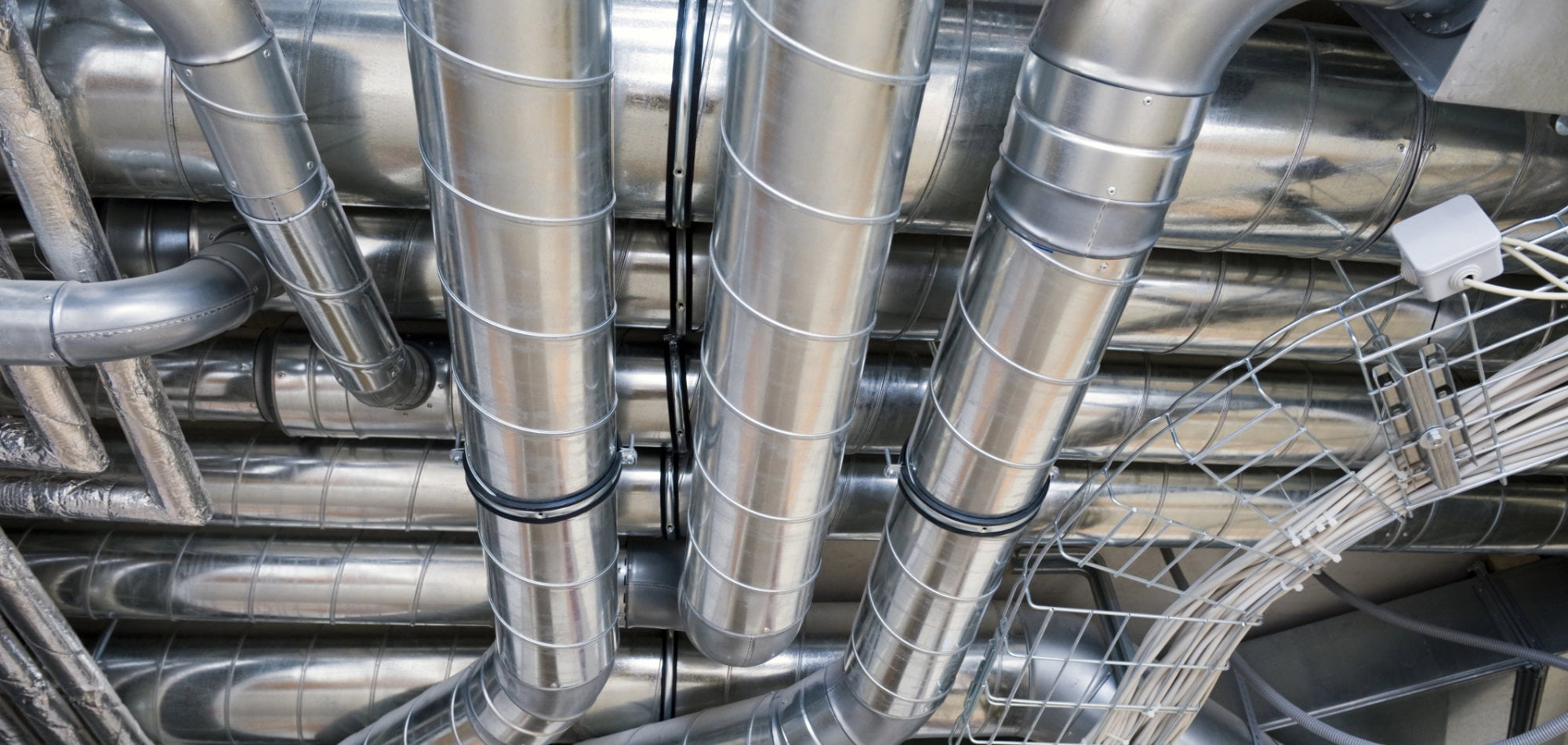
Dust extraction for industries in Somerset

If you run a business where employees are exposed to dust, fumes, chemicals, or other hazardous substances, you will have heard the term CoSHH. But what does CoSHH compliance actually mean in practice – and what do you need to do to meet your legal obligations?

What Is CoSHH?

CoSHH stands for the Control of Substances Hazardous to Health Regulations 2002. It is the primary piece of UK health and safety legislation governing how employers must manage the risks posed by hazardous substances in the workplace.
CoSHH covers a wide range of substances, including:

  • Dusts – wood dust, flour dust, silica dust, metal dust
  • Fumes – welding fume, soldering fume, engine exhaust
  • Vapours and gases – solvents, adhesives, cleaning agents
  • Biological agents – bacteria, fungi, and other micro-organisms
  • Nanotechnology particles

If a substance is capable of causing harm to health through inhalation, skin contact, ingestion, or injection, it is likely to fall within the scope of CoSHH.

What Does CoSHH Require Employers to Do?

CoSHH places a series of duties on employers. These must be addressed in a structured, documented way and are not simply a matter of good practice – they are legal requirements.

  1. Assess the Risk
    The first step is to identify all substances hazardous to health present in your workplace, and to assess the risk they pose to your employees. This CoSHH risk assessment must consider the nature of the substance, how it is used, the quantity involved, how workers might be exposed, and who is at risk.
  2. Prevent or Adequately Control Exposure
    Where exposure to a hazardous substance cannot be prevented entirely, it must be adequately controlled. CoSHH sets out a hierarchy of controls, with elimination of the substance at the top and personal protective equipment (PPE) at the bottom. Local Exhaust Ventilation (LEV) sits high in this hierarchy as an engineering control that removes contaminants at source.
  3. Ensure Control Measures Are Used and Maintained
    It is not sufficient simply to install an LEV system. CoSHH requires that control measures are properly used, maintained in efficient working order, and kept in good repair. Employees must be trained to use them correctly.
  4. Monitor Exposure
    In some circumstances – particularly where there is a risk of exposure to substances with a Workplace Exposure Limit (WEL) – employers must monitor the level of exposure their employees experience. This may involve air sampling and analysis.
  5. Carry Out Health Surveillance
    Where employees are exposed to substances known to cause occupational disease – such as hardwood dust, isocyanates, or certain metalworking fluids – health surveillance may be required. This typically involves periodic medical examinations or lung function tests.
  6. Inform, Instruct and Train Employees
    Employees must be given information about the substances they work with, the risks they pose, and how to use control measures correctly. This training must be appropriate and kept up to date.

How Does LEV Testing Fit Into CoSHH Compliance?

Regulation 9 of CoSHH specifically addresses the maintenance, examination, and testing of engineering controls. It requires that any LEV system used to control exposure to hazardous substances must be:

  • Maintained in efficient working order and good repair
  • Thoroughly examined and tested at least every 14 months by a competent person (BOHS P601-qualified engineer)
  • Documented – records of all examinations and tests must be kept for at least five years

This means that having an LEV system installed is only part of your CoSHH obligation. Regular, documented testing by a qualified engineer is a separate legal requirement.

What Substances Have Workplace Exposure Limits?

The HSE publishes a document called EH40, which sets out the Workplace Exposure Limits (WELs) for hundreds of substances. A WEL is the maximum concentration of a substance in workplace air, averaged over a specified time period, to which workers may be exposed.

Some of the most commonly encountered substances with WELs in industrial settings include:

  • Wood dust (hardwood): 3 mg/m³ (8-hour TWA) – classified as a carcinogen
  • Respirable crystalline silica: 0.1 mg/m³ (8-hour TWA)
  • Welding fume: 1 mg/m³ (8-hour TWA) – classified as a carcinogen
  • Flour dust: 10 mg/m³ inhalable, 3 mg/m³ respirable (8-hour TWA)

Exceeding these limits is a breach of CoSHH, and an effective LEV system – regularly tested and maintained – is the primary means of keeping exposure below them.

Common Mistakes Businesses Make With CoSHH Compliance

Many businesses fall short of full CoSHH compliance without realising it. Common pitfalls include:

  • Having an LEV system installed but never having it formally tested
  • Allowing the 14-month LEV test interval to lapse
  • Not keeping records of LEV inspections
  • Relying on PPE (such as dust masks) as the primary control measure, when engineering controls should come first
  • Failing to update CoSHH risk assessments when processes or substances change

Need Help With CoSHH Compliance?

Apex LEV Services provides BOHS P601-certified LEV testing across the South West and nationwide, helping businesses meet their CoSHH obligations with confidence. We provide fully documented inspection reports that satisfy HSE requirements and give you the evidence of compliance you need.

How Often Does LEV Testing Need to Be Done?

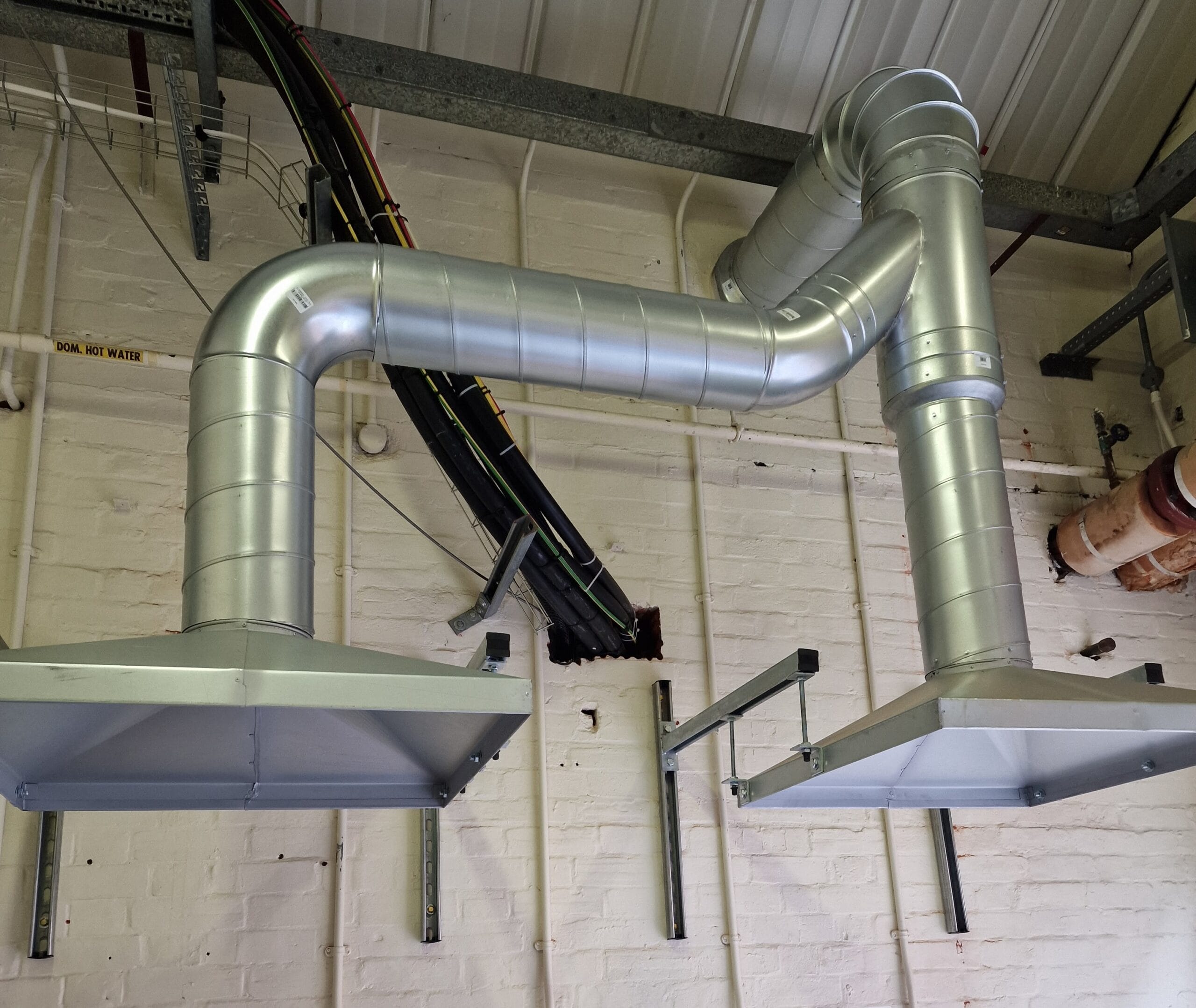
Local exhaust ventilation installation

If you operate machinery or processes that generate dust, fume, or vapour in the workplace, you almost certainly have a Local Exhaust Ventilation (LEV) system in place to protect your workers. But how often does that system need to be formally tested – and what does the law actually say?

The Legal Requirement: Every 14 Months

Under Regulation 9 of the Control of Substances Hazardous to Health (CoSHH) Regulations 2002, any LEV system used to control worker exposure to hazardous substances must be thoroughly examined and tested at least once every 14 months.

This is not a guideline – it is a legal obligation. Employers who fail to comply are in breach of CoSHH Regulations and may face enforcement action from the Health and Safety Executive (HSE), including improvement notices, prohibition notices, and prosecution.

The 14-month interval is intentionally set slightly longer than a year, allowing businesses to schedule tests at the same time of year without falling foul of the regulations if there is a brief delay.

When More Frequent Testing Is Required

For certain higher-risk processes, 14 months is the maximum permitted interval – not the recommended one. More frequent testing may be required where:

  • The process involves carcinogenic or mutagenic substances, such as hardwood dust or certain metalworking fluids
  • The LEV system is critical to controlling exposure to a substance with a short-term exposure limit (STEL)
  • The system has a history of defects or is operating in a particularly demanding environment
  • Your risk assessment identifies a heightened level of risk requiring additional verification

In these cases, your LEV engineer will advise on an appropriate testing frequency as part of the inspection report.

What Counts as a “Thorough Examination and Test”?

A compliant LEV inspection is formally known as a Thorough Examination and Test (TExT). It must be carried out by a competent person – in practice, this means an engineer holding a BOHS P601 qualification, which is the industry-recognised certification for LEV testing.

A TExT inspection covers:

  • Visual inspection of all components – hoods, ductwork, fans, filters, and discharge points
  • Measurement of airflow velocity at capture hoods
  • Static pressure readings throughout the system
  • Assessment of filter condition and efficiency
  • Comparison of results against the original design specification or previous test data
  • A written report documenting all findings, results, and any remedial actions required

Simply having a maintenance engineer look at the system does not constitute a Thorough Examination and Test. The inspection must be systematic, measurement-based, and documented to a defined standard.

What Happens If You Miss a Test?

Missing a LEV test is a serious matter. If the HSE inspects your workplace and finds that your LEV system has not been tested within the required period, you may face:

  • An improvement notice requiring you to become compliant within a set timeframe
  • A prohibition notice preventing you from operating the process until the system is tested and confirmed effective
  • Prosecution in serious cases, particularly where worker health has been affected

Beyond the regulatory consequences, an untested LEV system may be failing to protect your workforce without your knowledge. Dust and fume-related illnesses – including occupational asthma, lung disease, and certain cancers – can develop over years of low-level exposure. Regular testing is your primary assurance that your system is doing its job.

Keeping Records

CoSHH Regulations require you to keep records of all LEV examinations and tests for a minimum of five years. These records should include the written report from each TExT inspection and should be made available to the HSE upon request.

A reputable LEV testing company will provide you with a detailed written report after every inspection. At Apex LEV Services, our reports are structured to meet the requirements of HSG258 – the HSE’s technical guidance on LEV – and are written to be understood by both safety managers and HSE inspectors.

Book Your LEV Test

If your LEV system is approaching its 14-month test date – or if you are unsure when it was last tested – contact Apex LEV Services today. We carry out BOHS P601-certified Thorough Examination and Testing across Somerset, Dorset, Devon, Hampshire, Wiltshire, Bristol, and nationwide.

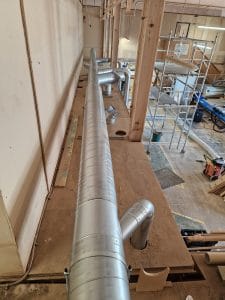
New main header ducting and resizing installed


This joinery manufacturer in Dorset wanted to add another tool to the existing set up. This meant we needed to resize the main header ducting in order to maintain the correct airflow. All new ducting was supplied and fitted and all points re connected and put through a new LEV test.

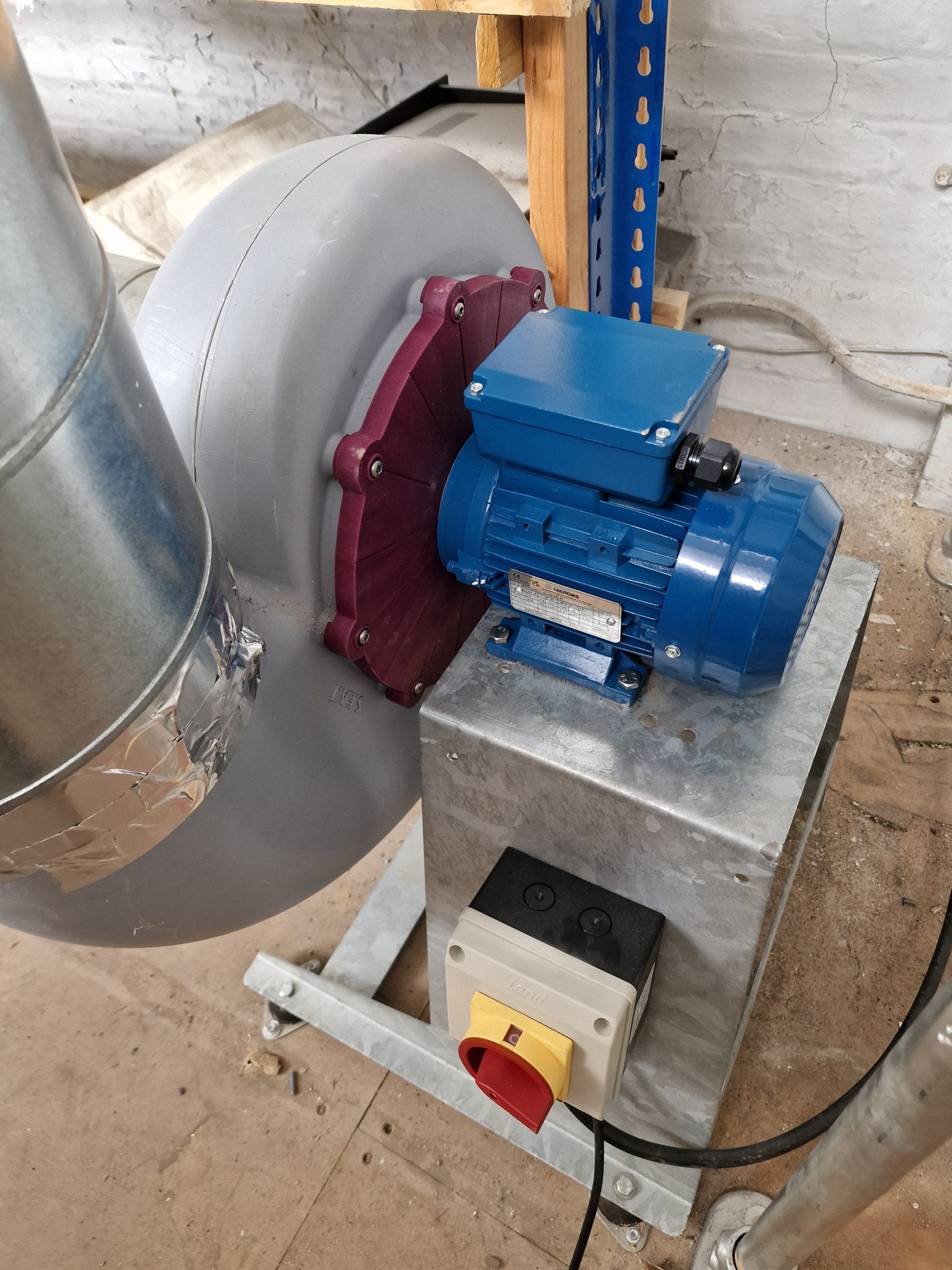
New impeller and motor fitted to a existing system

A new impeller was fitted to the existing set up as the one that was in place had damage. It was changed out for new and re connected and back running again so our customer – a leading manufacturer of electronics in London – were able to continue production.

New wet collector installation onto a aluminium process

A new wet collection unit was installed as the old one was no longer serviceable. This installation for a well established sheet metal fabricators in Crawley included replacement of ducting and re connecting the system to the process follows by a new LEV test.