LEV testing and CoSHH Regulations – controlling contaminates in the workplace
Employers that have extraction systems which are used to control substances hazardous to health must ensure these exhaust ventilation systems are thoroughly examined and tested at least every 14 months. LEV systems are essential for protecting worker health and ensuring regulatory compliance and must be tested at least every 14 months, but more frequent testing may be required in some cases:
-
More frequent LEV testing
LEV systems may need to be tested every six months if they are used for grinding, abrading, or polishing metals for more than 12 hours per week. They may also need to be tested every month if they are used for shot-blasting or cleaning metal castings.
LEV systems must be re-tested after any changes, improvements, or repairs to ensure they are still effective. This is a legal requirement under the Health and Safety at Work Act 1974 and Regulation 9 of the Control of Substances Hazardous to Health.
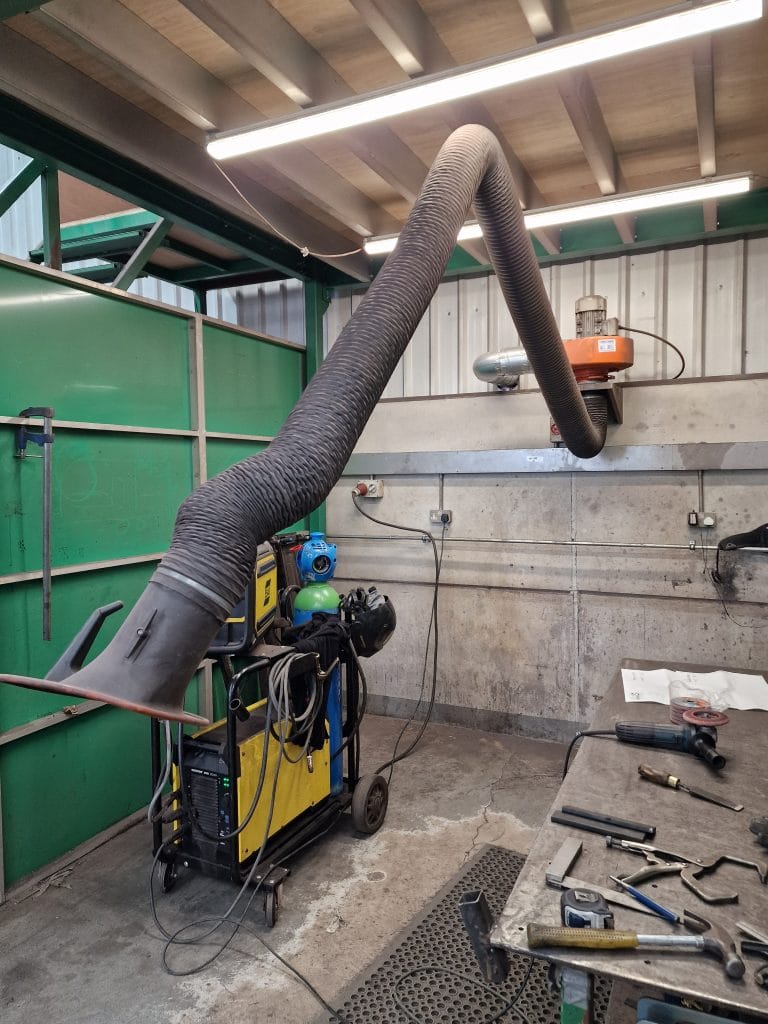
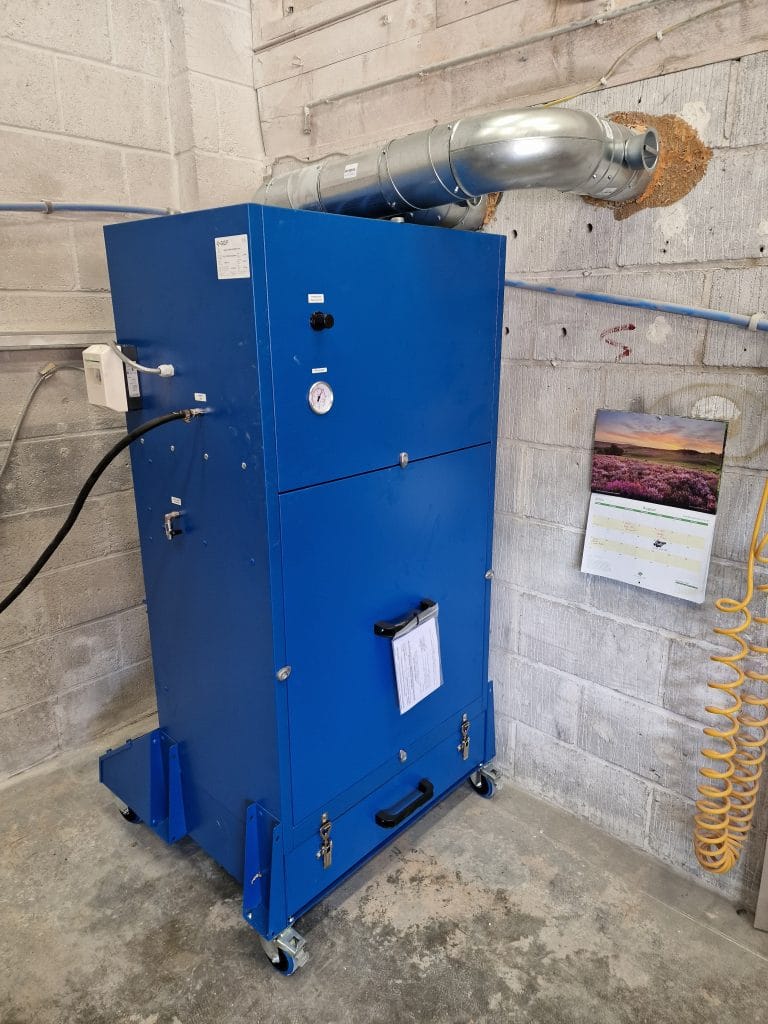
Your LEV system collects dirty air at the source and sends it to a cleaner to remove contaminants. The clean air is then sent back into the environment. LEV testing aims to ensure the extraction and cleaning process is working optimally and is providing the correct level of decontamination.
Our experienced P601 qualified engineers will conduct a thorough survey and examination of your systems in order to produce a bespoke report and deliver relevant advisories to ensure compliance. The report will contain photos and schematic drawings of the layout of the LEV system, as well as details of the testing equipment used including calibration dates, examination date, expiry date, process used and detailed summary of any recommendations, along with the readings and examination result and the engineers details.
Thorough Examination and Test (TExT) of your local exhaust ventilation system
Our HSG258 compliant LEV testing services are essential for both initial appraisal of new ventilation systems as well as ongoing thorough examination and test of current systems. Applications include
- Welding fumes and dust
- Woodworking
- Soldering benches within a college
- CNC machining
- Chemicals
- Downflow benches
- Stone dust and silica
- Ovens
Contact us to find out more about how we can help you stay CoSHH compliant within the workplace.